
Carnival Corporation, a member of Champions 12.3, found a way to treat surplus food as a problem with a destination, not a dead end. Instead of routing surplus food straight to the trash, the company built a way to get it into the hands of the communities its ships visit. This meant clearing the customs, safety and regulatory hurdles that usually keep surplus food from ever leaving the ship. Across a global fleet of more than 90 vessels, the approach cut food waste per person by 47% in six years — a year ahead of the company's own interim target.
The Challenge
Carnival Corporation operates a global fleet of more than 90 ships, serving over 13.5 million guests a year. Its largest ships prepare up to 15,000 meals a day.
At that scale, surplus food is not an occasional operational hiccup; it’s a structural feature of hospitality. Extraordinary and abundant dining experiences are central to meeting guest expectations on cruise ships, so Carnival had to find innovative ways to solve for food waste.
Through its ‘Less Left Over” strategy, Carnival has reframed wasted food as an opportunity to create value for the communities its cruise ships visit. They set an ambitious goal to cut food waste per person by 50% by 2030, with an interim target of 40% by 2025.
The Action
"Less Left Over" is built on three priorities: prevent food waste before it happens, redistribute safe surplus, and responsibly manage what's left.
Prevention comes first. Carnival built data-driven systems that analyze guest dining trends and meal service flows so teams can anticipate demand and fine-tune purchasing. The company is now advancing real-time, AI-driven analytics to cut overproduction further while maintaining guest satisfaction.
Culinary teams use consumption patterns to revise recipes, plan production, and adjust prep practices. Structured menu engineering and product utilization strategies maximize cross-use of ingredients, reduce trim loss and improve yield. Direct crew engagement helps teams think proactively about food waste in their daily operations and identify practical solutions that can be applied on board.
Redistribution comes next. Carnival Corporation's surplus meal donation program provides high-quality, unserved meals to communities in need through local partners and food banks. It operates only where safe surplus remains, and is built around strict food safety standards and a clear process for what qualifies, how it's identified, and how it's separated from normal operations and waste streams.
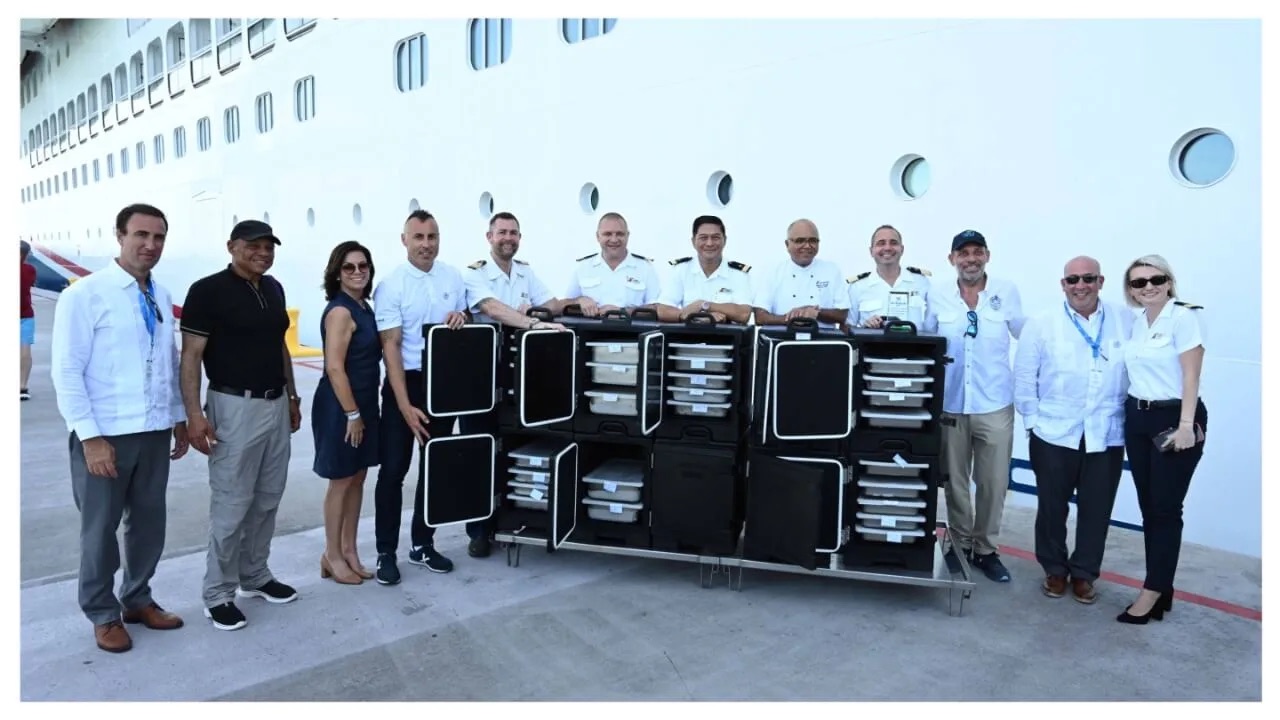
Successful implementation of redistribution requires clear ownership and alignment between shipboard teams and shoreside partners. It also means working with government officials, policymakers, and community organizations to navigate regulatory and logistical requirements and ensure food can be safely and effectively distributed.
Finally, the company has also invested in technologies to manage unavoidable waste, including food waste monitoring systems, onboard biodigesters, dehydrators, and grinders — deployed only after prevention and redistribution opportunities have been exhausted.
Beyond the ships, Carnival Corporation continues to strengthen upstream alignment with suppliers on forecasting accuracy, order optimization and packaging tailored to shipboard operations — extending waste reduction across the full supply chain.
The Outcome
Since 2019, Carnival Corporation has reduced food waste per person by 47% — roughly one pound per person per day across the fleet. The company met its 2025 interim target a full year ahead of schedule, with work toward the 2030 goal continuing.
The results extend far beyond the environmental impact:
- More than $250 million in surplus food costs avoided
- More than 320,000 portions donated to communities in need, through a program now active across 17 ports
- More than 46,000 surplus food items — bread, milk, canned goods — donated in 2025 alone
And their model is still expanding. Cross-sector collaboration is now taking it into Latin America for the first time, anchored by a commitment from the mayor of Roatán, Honduras, who supported the island's first surplus meal donation in May 2026.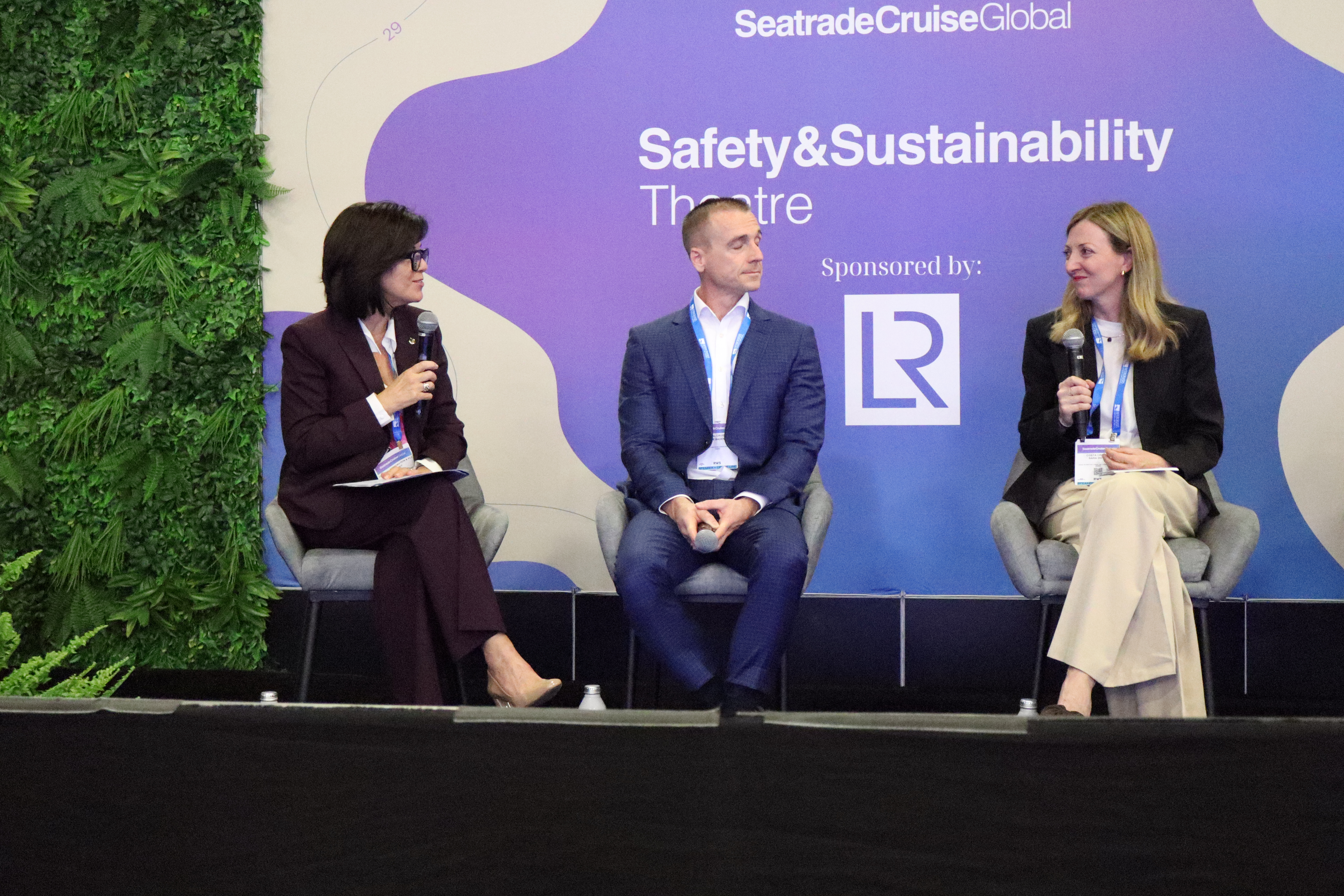
"Surplus food isn't just a challenge — it's an opportunity. What we've seen is that when the right people come together, barriers can turn into pathways, and something as simple as an unserved meal can become a force for good." — Vicky Rey, Vice President, Government Affairs, Latin America, Carnival Corporation
What's Next
Reducing food waste at scale is less about a breakthrough than about consistent execution across a global operation that is supported by data, clear processes and sustained team engagement.
For donation programs specifically, the shipboard process can be standardized, but complexity arrives when the ship reaches the shore. Every market brings its own import restrictions, customs requirements, regulatory expectations and operating realities. In some cases, surplus meals are treated as imports — requiring approvals despite having no commercial value.
Clearing those barriers takes close collaboration with policymakers, local leaders and community partners. Carnival found that the most important enabler is finding the right champions: partners who understand market intricacies, can navigate customs and regulatory expectations, and are genuinely invested in making the model work.
That combination of clear process, local expertise and shared purpose is what turns regulatory barriers into practical pathways. It's also why this work has to be built port by port, rather than through a one-size-fits-all approach. Looking ahead, Carnival Corporation will continue advancing “Less Left Over” and applying these learnings as the meal donation program expands into new markets.
How Champions 12.3 Helped
The Champions 12.3 coalition connected Carnival's internal goals to the broader global effort to halve food loss and waste by 2030. Through Champions 12.3, the company has spotlighted the role of cross-sector collaboration in expanding surplus donation models into new markets and connected with policy experts and technology companies working on practical solutions.
Champions 12.3, convened by World Resources Institute, is a coalition of leaders across government, businesses, academia, and civil society committed to accelerating progress toward UN Sustainable Development Goal Target 12.3 — halving global food loss and waste by 2030.